

What It Means When Your Data Is Hacked (And What to Do Next)
If you’ve discovered your data was hacked, you’re not alone. Data hacks are becoming more common, affecting individuals, businesses, and even governments.
The real danger isn’t just the breach itself — it’s what happens after your information is exposed. This guide explains what a data hack really means, how it happens, and exactly what steps to take to protect yourself.
What Does “Data Hacked” Mean?
When data is hacked, it means unauthorised individuals accessed, stole, or exposed digital information without permission.
This data may include:
- Email addresses and passwords
- Financial details
- Personal identification
- Business or customer records
A data hack often leads to a data breach, but not all breaches are caused by sophisticated hackers. Some happen due to human error or poor security.
How Does Data Get Hacked?
Common Data Hack Methods
Hackers use multiple techniques to gain access, including:
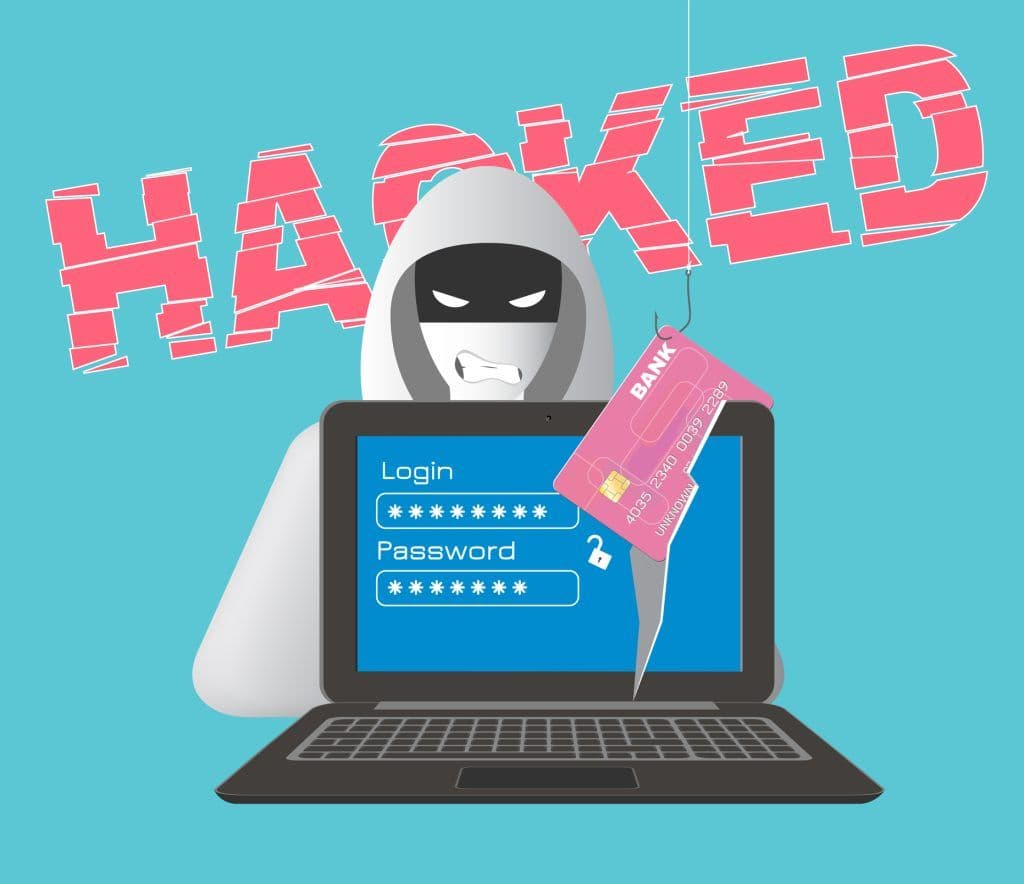
- Phishing attacks – fake emails or messages tricking users into sharing login details
- Malware – malicious software that steals data silently
- Weak passwords – reused or simple passwords are easy targets
- Public Wi-Fi attacks – unsecured networks expose sensitive data
Who Is Most at Risk?
- Users who reuse passwords
- Small businesses with limited security
- Anyone using outdated software
- Accounts without two-factor authentication
What Happens When Data Is Hacked?
Once data is compromised, it can be:
- Sold on the dark web
- Used for identity theft
- Exploited for financial fraud
- Leveraged for future cyber attacks
The impact may last months or even years, especially if sensitive information is involved.
Signs Your Data Has Been Hacked
Watch for these warning signs:
- Unexpected password reset emails
- Logins from unknown locations
- Unauthorised bank transactions
- Accounts locked due to suspicious activity
If you notice even one of these, assume your data may be hacked.
What To Do If Your Data Is Hacked (Step-by-Step)
Acting quickly can reduce damage.
Immediately:
- Change passwords on affected accounts
- Enable two-factor authentication
- Log out of all devices
Next steps:
- Monitor bank and credit activity
- Report the breach to relevant providers
- Check if your email appears in known breaches here
Ongoing protection:
- Use a password manager
- Avoid clicking unknown links
- Keep software updated
Can Hacked Data Be Recovered?
In most cases, stolen data cannot be fully recovered once exposed. However, you can:
- Secure compromised accounts
- Prevent further misuse
- Minimise long-term damage
Early action is critical.
How to Protect Your Data From Future Hacks
Strong digital hygiene reduces risk significantly:
- Use unique passwords for every account
- Enable security alerts
- Avoid public Wi-Fi for sensitive actions
- Back up important data regularly
Prevention is always easier than recovery.
Frequently Asked Questions About Data Hacks
Is hacked data always misused?
No, but there’s no guarantee it won’t be.
How long does hacked data stay online?
Sometimes indefinitely, especially if sold or leaked publicly.
Can hackers access my data without me knowing?
Yes. Many breaches go unnoticed for months.
Conclusion: Take Control After a Data Hack
Finding out your data was hacked is stressful (see if your listed in any hacks for free), but it doesn’t have to define the outcome. Understanding how hacks happen and responding quickly gives you control.
The key is awareness, action, and prevention — before the next attack happens.